
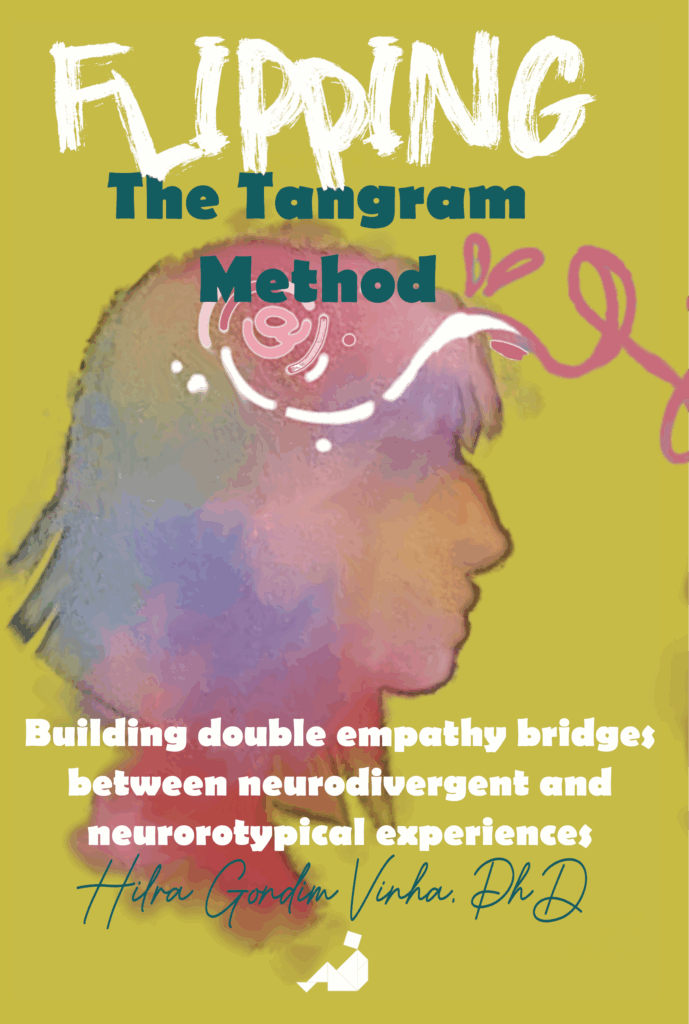
FLIPPING the Tangram Method is a revolutionary guide for autistic young adults and late-diagnosed individuals seeking to strengthen their relationships with neurotypical people. Inspired by The Tangram Method, this book introduces seven neurotypical characters — each with their own personality type — to help demystify social cues, emotional expression and communication styles. Going beyond surface-level advice, it confronts the double empathy problem, offering both practical tools and compassionate insights to foster two-way understanding. Whether you’re navigating friendships, family dynamics or workplace relationships, this book empowers you to build bridges, embrace your perspective and create meaningful connections.
Unlock a smarter way to read
Tired of slogging through books, unsure where to focus your energy? This book offers a groundbreaking approach to reading designed with you in mind. Dive into a unique Book Preview at the start, where every chapter is outlined, its relevance to the core concept is graded, and its connection to the overall idea is made crystal clear. What’s more, each chapter kicks off with its own dedicated introductory page, complete with a visual map of its contents and a clear reminder of its objectives and relevance. Decide exactly what to read and how deeply, saving you time and ensuring maximum understanding. Plus, a pre-reading questionnaire sets the stage for a true dialogue between you and the author, creating a deeply personalized reading experience.
Neurodivergent readers, in particular, will find this intuitive preview invaluable for navigating the content, choosing which chapters to prioritize, which to revisit later, and where to invest deeper focus.
A revolutionary look at neurotypicality
Prepare for a powerful perspective shift. This book boldly presents neurotypical characters using the familiar Education, Health and Care Plan (EHCP) format, pinpointing their “areas of need” in relation to the double empathy problem. For neurodivergent adults in the UK who grew up with EHCPs, this intentional “flipping” of positions is not only familiar but deeply resonant and thought-provoking.
Evidence-based advocacy
Drawing on the author’s meticulous approach as a doctoral-level academic researcher, and informed by their practical experience as a neurodiversity advocacy practitioner, this book is built on a foundation of thorough research and critical engagement. Every concept and claim is rigorously supported by extensive referencing, citing a wide array of academic papers, authoritative websites, and diverse sources that collectively enrich and validate the book’s powerful message. Readers can explore the interconnected web of ideas and evidence that underpins this innovative work with complete confidence.
A timely challenge to society
In an era increasingly aware of the damaging effects of the double empathy problem, this book stands as both a vital response and a direct challenge. It’s more than just a book; it’s an innovation in itself, inviting you to rethink connection, understanding, and the very way we interact.
You can read more about Hilra’s journey to writing this book on Substack by clickling this link here.